
What IT Systems Are Required to Launch a Veterinary Clinic?
Cornerstone Computer Solutions
Providing IT Services to the Healthcare Industry Since 2005!
Opening a veterinary clinic takes more than choosing a location, hiring a team, and purchasing medical equipment. Your technology needs to be planned just as carefully as your exam rooms, treatment areas, pharmacy, and reception desk.
The right IT setup supports almost every part of your clinic. It helps your team schedule appointments, access medical records, communicate with clients, process payments, use imaging software, manage lab results, protect sensitive information, and keep the day moving.
At Cornerstone Solutions, we help veterinary practices plan, install, manage, and support reliable IT systems across Colorado, Texas, and the Greater Rocky Mountain Region. When your technology is built correctly from the start, your team can focus less on troubleshooting and more on caring for patients.
This Article will address
- What IT systems are required to launch a veterinary clinic
- How early veterinary practices should start IT planning
- How to avoid IT problems on opening day
- What software a new veterinary clinic needs
- Whether a veterinary clinic needs a server, cloud system, or hybrid setup
- How to set up computers, phones, internet, and Wi-Fi
- What IT systems are needed in different areas of the clinic
- How imaging, lab, and diagnostic systems connect to your IT setup
- How to protect client information, payment data, and medical records
- What cybersecurity systems a veterinary clinic needs
- Why veterinary practices choose Cornerstone Solutions for IT setup and support
What IT Systems Are Required to Launch a Veterinary Clinic?
A veterinary clinic needs a connected IT environment that supports patient care, client communication, records management, billing, imaging, diagnostics, cybersecurity, and daily operations. At minimum, most new veterinary practices need business-grade internet, a secure network, computers and workstations, veterinary practice management software, phone systems, printers, cloud or server infrastructure, data backups, cybersecurity protections, and ongoing IT support.
Your exact setup will depend on your clinic size, software choices, floor plan, imaging equipment, diagnostic tools, number of users, and growth plans. A small clinic with cloud-based software may need a different setup than a larger hospital with digital imaging, multiple exam rooms, local storage needs, and a busy front desk.
Why Should IT Planning Start Before Your Veterinary Clinic Opens?
IT planning should begin early in the startup or buildout process. Waiting too long can lead to missing network drops, weak Wi-Fi coverage, software compatibility issues, delayed equipment setup, and opening-day stress.
During the early planning stage, your IT provider can help determine where workstations should go, how many wired connections are needed, where phones should be placed, what areas need strong Wi-Fi, and how your practice management software will connect with imaging, payment systems, and diagnostic equipment.
How Do We Avoid IT Problems on Opening Day?
Veterinary clinics can avoid many opening-day IT problems by planning early, testing every major system before launch, confirming software integrations, setting up secure networks, training the team, and having IT support available during the first days of operation.
Before your first appointment, your team should be able to test:
- Internet speed and reliability
- Wi-Fi coverage throughout the clinic
- Front desk computers and workstations
- Exam room devices
- Phone systems and voicemail
- Printers, scanners, and label printers
- Practice management software logins
- Imaging software access
- Lab and diagnostic integrations
- Payment processing
- Email accounts
- Data backup systems
- Cybersecurity tools
- User permissions and passwords
Opening day is not the time to discover that a printer will not connect, a phone line is not routing correctly, imaging software is not accessible, or a team member cannot log in. A strong launch plan should include setup, testing, staff support, and a process for fast troubleshooting.
What IT Systems Are Needed in Each Area of a Veterinary Clinic?
A practical veterinary IT plan should account for each area of the clinic, since reception, exam rooms, treatment spaces, surgery, imaging, and administrative areas all depend on reliable technology. Common IT needs may include:
- Reception and check-in: Scheduling software access, phones, payment systems, printers, scanners, client communication tools, and reliable workstations.
- Exam rooms: Computers or tablets for medical records, treatment plans, estimates, client education, and secure patient information access.
- Treatment, lab, and pharmacy areas: Label printers, prescription tools, inventory access, lab integrations, and connected diagnostic devices.
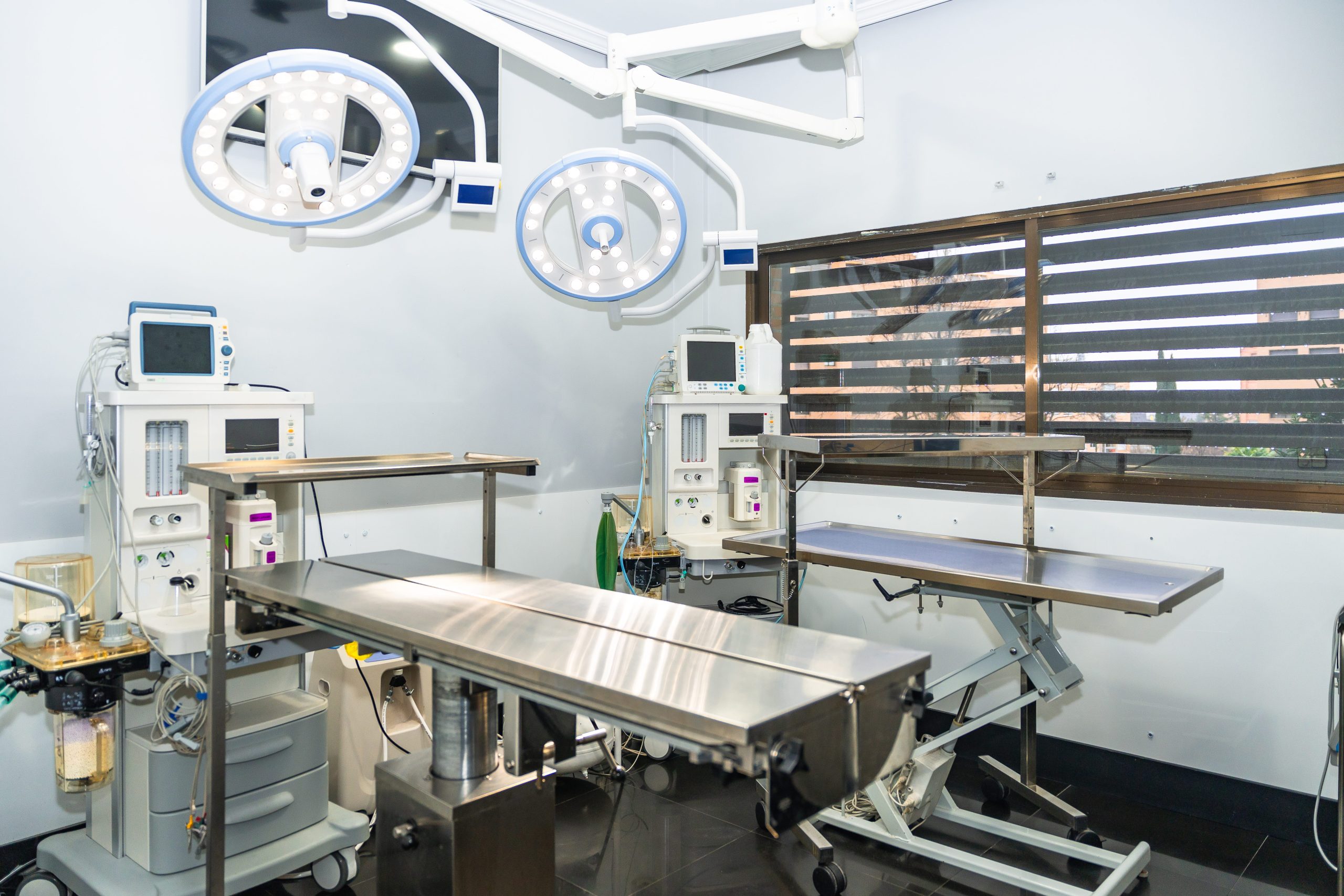
- Surgery and imaging areas: Imaging software, monitors, diagnostic equipment, secure storage, and strong network performance for larger files.
- Administrative and management areas: Email, accounting tools, reporting, payroll, HR systems, productivity platforms, secure permissions, access controls, and backup planning.
How Should Imaging, Lab, and Diagnostic Systems Connect to Your IT Setup?
Imaging, lab, and diagnostic systems should be planned as part of the full IT environment, not treated as separate pieces of equipment. Digital radiography, imaging software, lab analyzers, diagnostic tools, treatment records, and practice management software may need to communicate with each other reliably.
Vendor coordination is especially important before opening. Your IT provider may need to work with your software vendor, imaging vendor, internet provider, phone provider, equipment vendor, and payment processor. When these systems are planned together, your clinic is less likely to face surprises after launch.
What Cybersecurity Systems Does a Veterinary Clinic Need?
A veterinary clinic needs cybersecurity systems that help prevent data loss, unauthorized access, ransomware, phishing, malware, and downtime. These protections should be installed before the clinic opens and monitored after launch.
Important cybersecurity systems may include:
- Business-grade firewall protection
- Secure network configuration
- Staff and guest Wi-Fi separation
- Endpoint protection for computers and devices
- Email security
- Software patching and updates
- Password management guidance
- Multi-factor authentication
- Secure remote access
- Backup monitoring
- Disaster recovery planning
- Security awareness training
How Do We Protect Client Information, Payment Data, and Medical Records?
Veterinary clinics should protect client information, payment data, and medical records with secure networks, access controls, password policies, updated systems, backup planning, and ongoing monitoring. Your clinic depends on sensitive information every day, and that data needs to be protected from unauthorized access, accidental loss, ransomware, and system failures.
What Should Be Included in a Veterinary Clinic IT Checklist Before Opening Day?
A veterinary clinic IT checklist helps ensure critical systems are planned, installed, tested, and supported before the first client walks through the door. Your opening-day IT checklist should include:
- Internet and network setup: Business-grade internet, wired cabling, secure Wi-Fi, guest Wi-Fi, firewall protection, and backup internet when appropriate.
- Hardware and devices: Workstations, computers, tablets, printers, scanners, label printers, phones, and other connected devices your team needs each day.
- Software and system integrations: Veterinary practice management software, imaging software, lab equipment, payment systems, email, and productivity tools.
- Server, cloud, or hybrid infrastructure: The right setup for your practice management software, imaging needs, data storage, remote access, and growth plans.
- Cybersecurity and data protection: Password policies, access controls, endpoint protection, secure payment workflows, data backups, and disaster recovery planning.
- Ongoing IT support: Managed IT support, system monitoring, troubleshooting, vendor coordination, and long-term technology planning.
Why Work With a Veterinary IT Company Before Opening Day?
Veterinary clinics have specialized technology needs. A veterinary IT company should understand practice management software, imaging software, exam room workflows, treatment areas, client communication, phone systems, payment tools, cybersecurity, and the importance of minimizing downtime.
General IT support may be able to fix a computer or set up a printer, but veterinary clinics need more than basic troubleshooting. Your systems need to support patient care, staff efficiency, business continuity, and data protection.
A veterinary IT partner can help with:
- Startup IT planning
- Network design
- Software coordination
- Hardware recommendations
- Server, cloud, or hybrid planning
- Phone system setup
- Imaging and diagnostic integration support
- Cybersecurity planning
- Backup and disaster recovery
- Ongoing monitoring and support
Why Choose Cornerstone Solutions for Your Vet Practice’s IT Setup?
Cornerstone Solutions has supported healthcare practices and small businesses since 2005. Our team understands the technology demands of veterinary, dental, and medical offices, including practice management systems, imaging software, computers, servers, networks, phones, security systems, and ongoing support needs.
Veterinary practices choose Cornerstone Solutions because we offer:
- Service across Colorado, Texas, and the Greater Rocky Mountain Region
- Experience with more than 30 dental, veterinary, and medical software and hardware solutions
- Support for practice management and imaging systems
- Comprehensive IT services in one place
- Quick response times
- Dependable troubleshooting
- Professional and approachable support
- Long-term technology guidance
- Free IT assessments by phone, email, or website contact form
Schedule Veterinary Clinic IT Planning With Cornerstone Solutions
Opening a veterinary clinic requires more than computers and software. Your IT setup affects patient care, client communication, staff productivity, data security, and the overall flow of your practice.
Cornerstone Solutions helps veterinary practices in Colorado, Texas, and the Greater Rocky Mountain Region plan, install, secure, and support the technology systems they need to launch with confidence.
If you are preparing to open a new veterinary clinic, contact Cornerstone Solutions to schedule a free IT assessment by phone, email, or website contact form.
We are Here to Help!
Peace of mind is essential. Any time you need us, we’re just a click or call away.
Sign Up for Our Newsletter!
Don’t miss our quarterly newsletter. Sign up today!